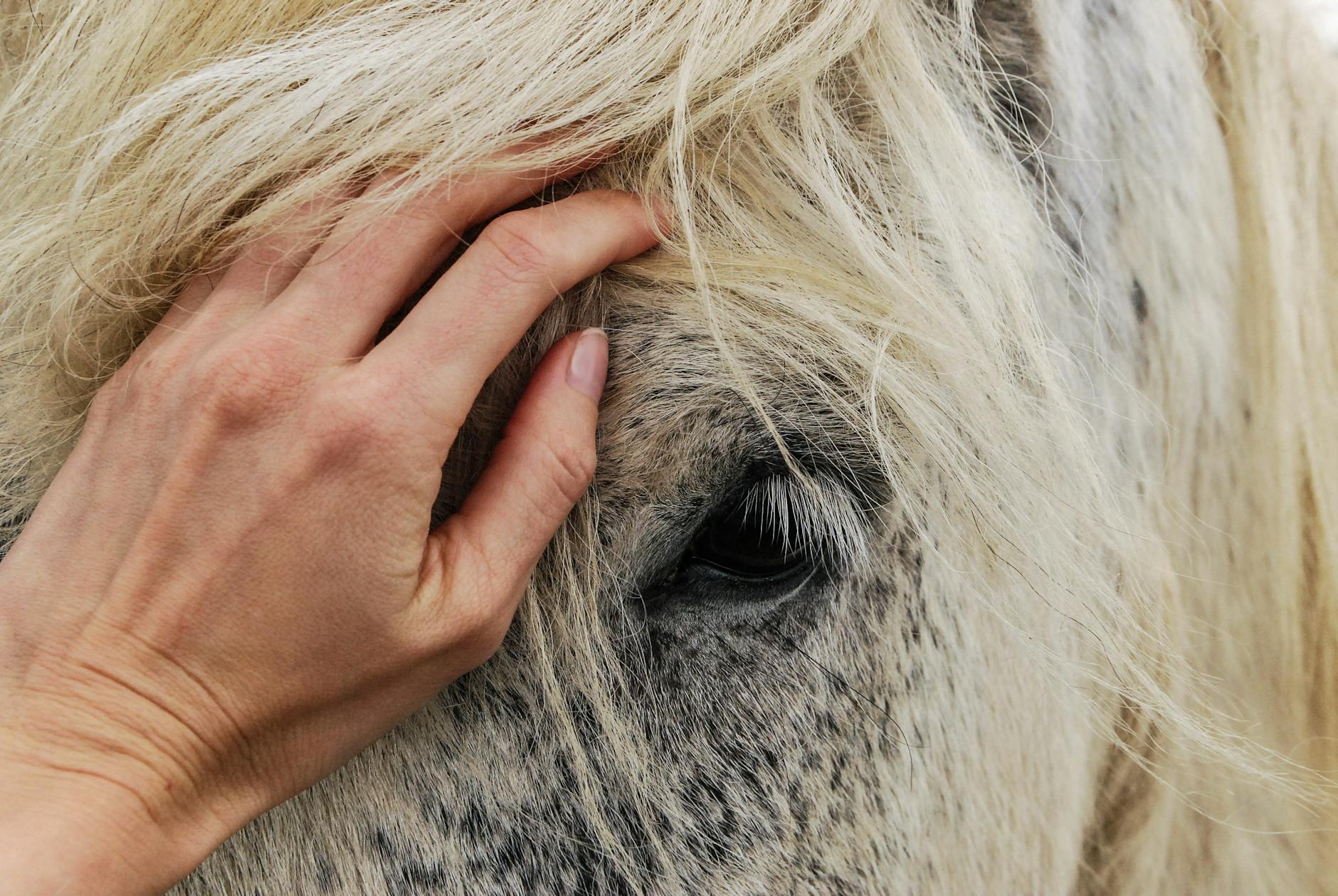
Equine-Assisted Psychotherapy (EAP) is an innovative, evidence-informed approach that blends traditional psychotherapy with meaningful, guided interactions with horses. In a calm, supportive setting, clients can explore emotions, patterns, and relationships in real time—often in ways that feel more natural than talk therapy alone. For private-pay clients in Utah who are seeking specialized trauma and addiction treatment, EAP can be a powerful, compassionate path toward healing and lasting change.
What is Equine-Assisted Psychotherapy?
Equine-Assisted Psychotherapy is a form of experiential therapy, meaning growth happens through direct experience—not just conversation. Instead of only talking about stress, trauma responses, or relationship dynamics, clients have opportunities to notice them as they arise and practice new ways of responding in the moment.
EAP involves structured, intentional interactions with horses under the guidance of a licensed mental health professional (and often an equine specialist). Sessions may include observing a horse’s behavior, practicing boundaries, working through problem-solving tasks, or exploring connection and communication—always with emotional safety and therapeutic goals at the center.
In Utah, EAP is often offered by specialized providers and is frequently sought by clients who prefer private-pay care or are looking for out-of-network therapy options that prioritize individualized, experiential treatment.
While it can feel engaging and even calming, EAP is not recreational horseback riding. It is a clinical, goal-oriented approach that draws on research and established therapeutic principles, and it is tailored to each client’s needs. Most EAP is ground-based, and no riding experience is necessary—you don’t need to be “good with horses” to benefit.
How Does EAP Work?
In EAP, the therapy room expands into a relational, real-world environment. With the therapist’s support, clients engage in activities designed to bring awareness to thoughts, emotions, body sensations, and interpersonal patterns—then practice new skills in a way that feels concrete and memorable.
Ground-based activities with horses (no riding required), such as leading, grooming, or structured exercises
Observation of horse behavior and responses to explore patterns like avoidance, control, or people-pleasing
Processing emotions and insights with the therapist to connect the experience to daily life and treatment goals
Building trust, communication, and boundaries through clear, respectful interaction and consent-based approaches
Metaphorical learning that helps clients understand relationships, triggers, and strengths in a new way
Horses are uniquely suited as therapy partners because they are highly sensitive to nonverbal cues and changes in energy, posture, and emotion. They offer immediate, honest feedback without judgment—often “mirroring” what a person is feeling internally. This can help clients build awareness, practice regulation, and experience connection in a way that feels safe, respectful, and deeply grounding.
Research from Purdue University highlights three key ways equine communication can support trauma healing: equine congruence, unconditional positive regard, and reflective feedback. Equine congruence refers to a horse’s ability to detect when there’s a mismatch between a client’s outward behavior and their internal emotional state—something many trauma survivors have learned to mask for safety. Transformative moments can occur when clients recognize their internal state reflected in a horse’s behavior; this isn’t “magic,” but is grounded in horses’ evolved sensitivity as prey animals, attuned to subtle shifts in their environment. Ethical, effective EAP also requires ongoing attention to horse welfare, ensuring sessions are paced and structured in ways that support both client safety and the horse’s well-being. Research from Purdue University

EAP for Trauma Recovery
For many people, trauma can leave the nervous system stuck in survival mode—on alert for danger even when life is relatively safe. In EAP, horses can help create a safe, non-threatening environment where clients can slow down, notice their internal experience, and practice feeling present. The focus is not on forcing disclosure, but on building stability, choice, and a sense of control.
Because trauma is often stored in the body, EAP naturally supports a body-based (somatic) approach. Clients may learn to track sensations (like tension, breath, or heart rate), recognize triggers earlier, and use grounding skills while interacting with a horse. Over time, this can support improved emotional regulation and reduce patterns such as shutdown, dissociation, or feeling overwhelmed.
As trust develops—both with the treatment team and within the client’s own body—many people report feeling more empowered and capable. Practicing boundaries, asking for space, and noticing what helps a horse feel calm can translate into everyday life. For clients seeking trauma therapy in Salt Lake City or PTSD treatment in Utah, potential benefits include reduced hypervigilance, an increased sense of safety, and greater confidence in navigating relationships and stressors.
Research published in the National Institutes of Health (NIH) database also identifies equine-assisted interventions as a promising complementary approach for trauma treatment. Findings described in this literature include reductions in anxiety, hyperarousal, depression, PTSD symptoms, loneliness, and emotional numbing. Researchers note that interacting with horses may support oxytocin release and encourage mindful, present-focused awareness—both of which can help clients practice somatic (body-based) regulation and support nervous system healing. Equine work may be especially helpful for individuals who haven’t fully responded to traditional talk therapy alone, because it offers a somatic, experiential way to build safety and regulation in real time. research on equine-facilitated therapy for complex trauma
Columbia University researchers have also reported that equine therapy can significantly reduce PTSD and depressive symptoms in veterans. In one study, 63 veterans participated in eight weekly 90-minute sessions and showed marked reductions in PTSD and depression that lasted at least three months. Researchers describe how working with horses can help veterans recognize feelings, regulate emotions, build trust, and improve communication. They also note a meaningful parallel: both horses and people with PTSD can struggle with vigilance and safety—making the horse-human bond uniquely effective for practicing calm, connection, and regulation. Columbia Psychiatry study on equine therapy for veterans
EAP for Addiction Recovery
Addiction is often connected to attempts to cope with pain, stress, trauma, or disconnection. EAP can support recovery by helping clients build healthier coping strategies and strengthen emotional regulation—skills that are essential when cravings, triggers, or difficult feelings arise. The experiential nature of EAP makes these skills feel practical, not abstract.
Working with horses also invites accountability and responsibility in a compassionate way. Horses respond best to consistency, clarity, and calm presence—so clients can practice showing up, following through, and adjusting their approach when something isn’t working. This can reinforce recovery values like honesty, patience, and self-respect.
Just as importantly, EAP can foster authentic connection—a powerful antidote to the isolation and shame that often accompany substance use. Many clients find it easier to reconnect with themselves and others when they experience a nonjudgmental relationship with a horse and supportive guidance from a therapist. For those exploring private-pay addiction treatment in Utah—including Salt Lake, Davis, and Tooele counties—EAP can be a meaningful option alongside other supports. EAP is not a replacement for evidence-based addiction care; it can complement traditional treatment such as individual therapy, group support, medication-assisted treatment, and relapse-prevention planning.

The Benefits of EAP
Increased self-awareness and emotional intelligence
Improved communication and relationship skills
Enhanced confidence and self-esteem through mastery and choice
Better stress management and emotional regulation skills
Reduced anxiety and depression symptoms for many clients over time
Development of trust and healthy boundaries
Mind-body connection and grounding in the present moment
Experiential learning that can create lasting, real-world change
is EAP Right for You?
EAP can be helpful for people healing from trauma and addiction, and it may also support concerns such as anxiety, depression, grief, chronic stress, relationship challenges, and difficulties with self-esteem or boundaries. Because sessions are tailored to the individual, EAP can meet clients where they are—whether they’re looking for a gentle entry point into therapy or a deeper way to practice skills they’re already learning. Many clients choose private-pay equine therapy for the flexibility it offers and the ability to access specialized, individualized care without the constraints that sometimes come with insurance-based treatment.
If you’re curious about a therapy approach that is relational, grounded, and strengths-based, EAP may be a meaningful part of your healing journey. With the support of a licensed professional and the steady presence of horses, many people discover new ways to feel safe in their bodies, connected in their relationships, and confident in their ability to change. Healing is possible—and sometimes the next step forward begins with a quiet moment in the arena.
Blazing Trails Wellness Center offers Equine-Assisted Psychotherapy in Utah, serving clients across Salt Lake, Davis, and Tooele counties with trauma-informed, evidence-based care in a supportive environment. We provide specialized, individualized treatment for trauma, addiction, and related concerns, and we offer private-pay options with potential out-of-network benefits for clients who want flexibility and a higher level of personalized support.
To learn more or schedule a consultation, Learn more about our Equine-Assisted Psychotherapy services in Utah.
Still have questions? Check out our Frequently Asked Questions page, or reach out to us directly at gabby.persons@blazingtrailswc.com.
Estimated reading time: 9 minutes

Author Biography
Gabby Persons, MSW, LCSW, is the founder of Blazing Trails Wellness Center, specializing in trauma and addiction treatment utilizing DBT, EMDR, and equine-assisted psychotherapy. With her therapy horses Enzo and Kit, Gabby has created a space where healing is grounded, evidence-based, and paced to each client’s needs. She has extensive experience working with veterans and welcomes clients from all backgrounds. She believes connection—with ourselves, others, and animals—is at the heart of lasting change. Serving Salt Lake, Davis, and Tooele counties. Learn more or schedule a consultation.
Common Questions
No experience is required. Sessions are done on the ground and are fully facilitated by a therapist and equine specialist. Your comfort level and safety are always prioritized.
Yes. Research shows equine therapy can improve emotional regulation, self-efficacy, trauma symptoms, and recovery outcomes. It’s considered an effective experiential therapy—especially when used alongside traditional mental health treatment.
Sessions typically involve calming, connection-based activities such as grooming, observing herd behavior, leading exercises, or guided interactions. You will not be required to ride the horse. Each session is paced based on your comfort and therapeutic goals.
Yes. Blazing Trails Wellness Center offers equine therapy year-round with safety-adjusted sessions based on weather. Groundwork exercises allow for meaningful sessions in any season.
Yes—and it often works best that way. Many clients integrate equine therapy with traditional therapy to support both emotional processing and nervous-system-based healing.
Sessions typically last 50-60 minutes, similar to traditional therapy sessions. The pace and structure are tailored to your comfort level and therapeutic goals.
Leave a Reply